Are you ready to dive into the exciting world of 3D printing? There are tons of fun and creative projects you can tackle with your printer that go beyond the usual trinkets. Whether you're a beginner or a seasoned pro, these ideas will spark your imagination and get your creative juices flowing!
One great project to consider is making personalized phone cases. You can find plenty of designs online or create your own to fit your unique style. Not only will it protect your phone, but it’ll also let you show off your personality. Plus, it's a great way to practice your design skills!
Another fun idea is to print custom kitchen tools. Think cookie cutters in fun shapes, measuring spoons that stack, or even unique coasters. Not only are they practical, but they can be a hit during your next get-together with friends. Imagine serving treats with cookies shaped like your favorite characters!
If you’re looking for something a bit more practical, why not try creating organizational tools for your home? From pen holders to cable management solutions, you can design items that help keep your space tidy. Not only will it declutter your environment, but it’ll also give you a sense of accomplishment seeing your designs at work!
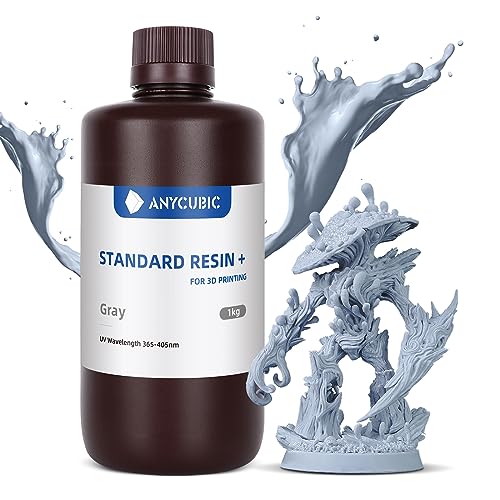
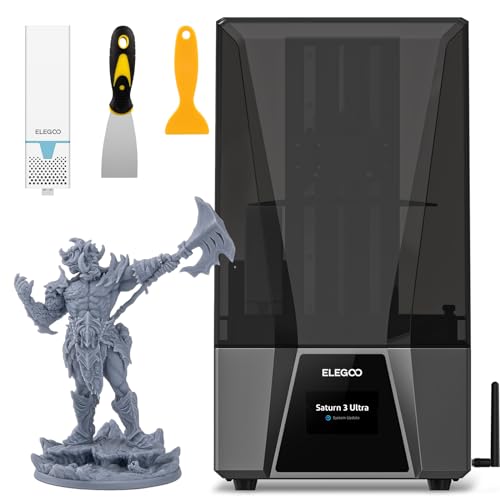
Lastly, consider making custom mini figurines or toys. Whether for your kids or as collectibles, these can bring a lot of joy. You can print figures from your favorite games or movies or even design your own! The possibilities are endless, and seeing something you created come to life is super rewarding.
Essential Tips for 3D Printing Success
Getting started with 3D printing can feel a bit overwhelming, but with a few essential tips, you can make the process smoother and way more enjoyable. First off, always ensure that your printer is properly calibrated. This means checking the bed leveling and nozzle height. A well-calibrated printer can save you time and frustration by preventing common issues like misalignment or poor adhesion.
Next, choose the right filament for your project. There are tons of options out there, but sticking with well-known brands for standard materials like PLA or ABS can really make a difference in quality. Also, don’t forget to store your filaments properly! Humidity can affect filament quality, so keep them in a dry place or invest in some airtight containers.
Another great tip is to start with simpler designs if you’re new to 3D printing. Running complex models can lead to more print failures, which can be disheartening. Websites like Thingiverse offer thousands of ready-made designs that you can easily modify. They’re a great way to build your confidence and skill before tackling more intricate projects.
Lastly, be patient! 3D printing takes time, and not every print will turn out perfectly on the first try. Keep track of what works and what doesn’t by taking notes after each print. This will help you improve your techniques and avoid mistakes in the future. Overall, enjoy the journey and let your creativity flow!
Choosing the Right Filament for Your Needs
When you dive into the world of 3D printing, the type of filament you choose can make a big difference in your projects. With so many options available, it can feel a bit overwhelming. But don’t worry, I’m here to help you break it down!
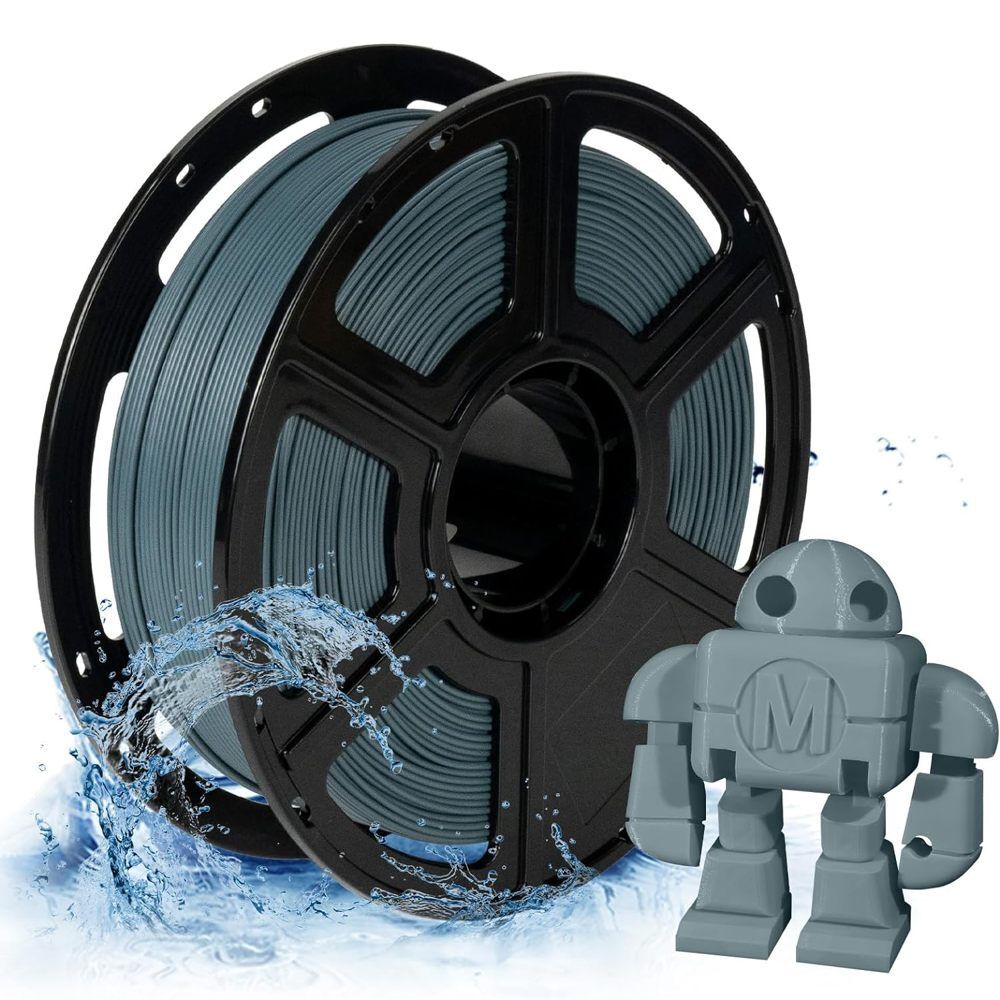
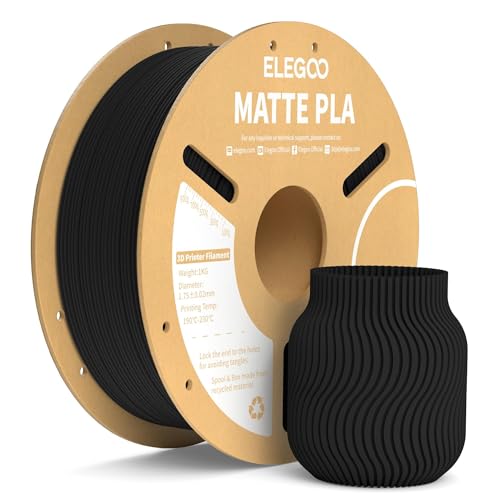
First up, let’s talk about the popular PLA filament. It’s a favorite among beginners because it’s easy to use and doesn’t require a heated bed. PLA is great for detailed prints and comes in a rainbow of colors. Just keep in mind that it’s not the best for high-temp applications or outdoor use, as it can soften in heat.
If you’re looking for something more durable, ABS is worth considering. This filament is known for its toughness and heat resistance. It’s perfect for functional parts and can withstand higher temperatures. Just remember, it can be a little tricky to print with since it tends to warp, so a heated bed is a must here.
Don’t overlook specialty filaments like PETG or TPU either! PETG is a hybrid that offers the best of both worlds—durability of ABS and ease of use like PLA. It's great for items that need a little more strength but still have a glossy finish. And if you want flexibility, TPU is your go-to. It’s rubber-like and perfect for things like phone cases or wearables.
Think about your end goal and what qualities you need in your prints. Are you just having fun, or do you need something sturdy for everyday use? Knowing what you want will help you choose the right filament and take your 3D printing to the next level!
Troubleshooting Common 3D Printing Issues
3D printing can feel like a magical process, but sometimes things don’t go as planned. If you’re facing some hiccups, don’t worry! Here are a few common issues and simple fixes that can help you get back on track.
By keeping these tips in mind, you can tackle common 3D printing challenges with confidence. Experiment, adjust, and before you know it, you’ll be creating amazing designs in no time!