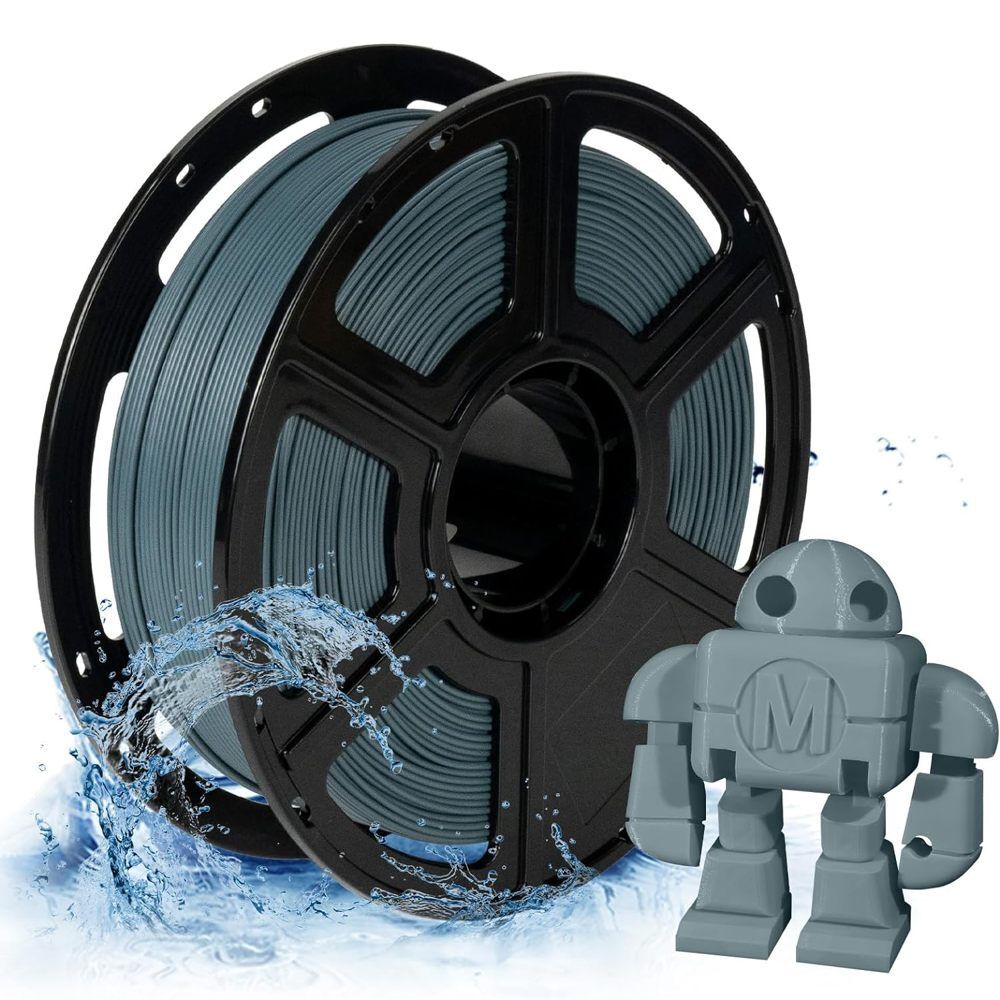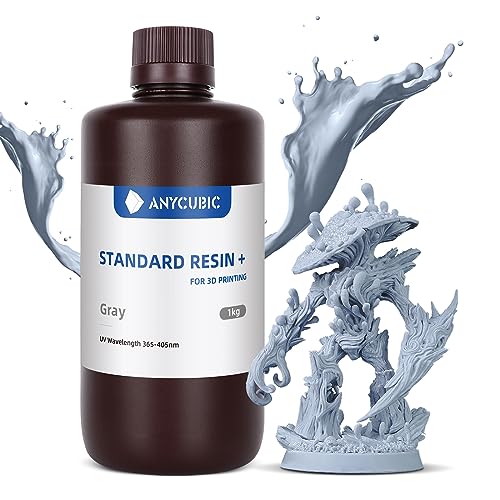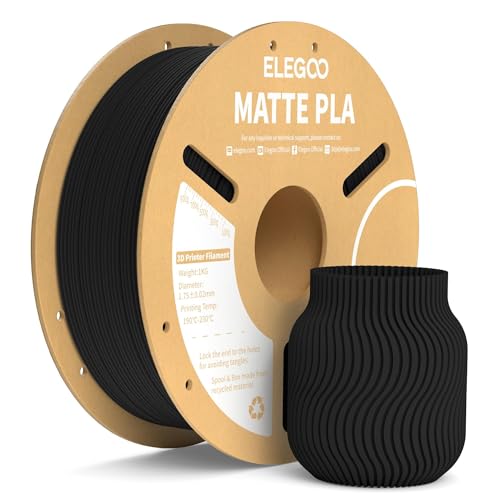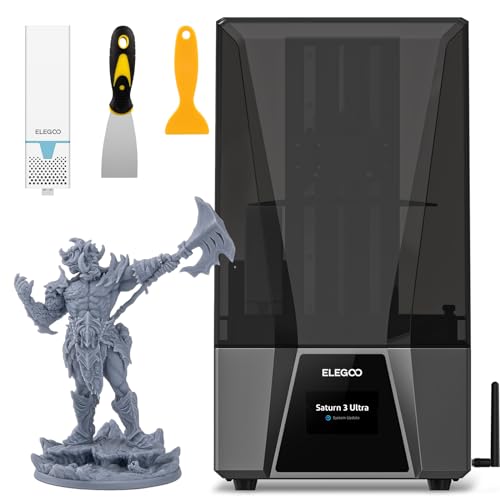
3D resin is a pretty fascinating material, especially if you’re diving into the world of 3D printing. It’s different from the traditional filament used in FDM printers, offering some unique benefits for your projects. Understanding the basics can help you make better choices when picking the right type of resin for your needs.
At its core, 3D resin is a liquid material that hardens when exposed to UV light. This curing process gives you more precise details and smoother finishes compared to the layer-by-layer approach of filament printing. That’s one reason why resin printers are popular for creating intricate models, miniatures, or even dental products.
Getting the hang of 3D resin can take a little effort, but the rewards are definitely worth it. Whether you’re looking to create detailed models or practical items, knowing the basics will help you choose the best materials for what you want to achieve.
Different Types of 3D Resin
When diving into the world of 3D printing, you’ll come across various types of 3D resin, each designed for specific projects and results. Understanding the differences is key to making the right choice for your next creation.
First up is Standard Resin. This is your go-to for most general printing needs. It’s affordable and produces great quality prints with smooth details. If you’re just starting out or planning to create basic models, this type is perfect for you.
Next, there's Flexible Resin. As the name suggests, this resin gives your prints some bend and stretch. It's fantastic for items like phone cases or wearable designs that need to flex without breaking. Just imagine having a cool design that you can actually move around!
If you want something that looks impressive and shiny, Transparent Resin is your best bet. It’s great for making items like glass-like sculptures or prototypes where you want to show off intricate details inside. Plus, you can tint it with colors for a unique twist.
Lastly, don't overlook High-Temperature Resin. This one’s tough and can handle, you guessed it, high temperatures. It's ideal for creating parts that will be used in hot environments. Think of things like molds for casting metals or functional parts for engines. It’s built to last!
Choosing the Right 3D Resin for You
When diving into the world of 3D printing, picking the right resin can feel a bit overwhelming. There are so many options, each with its own strengths and weaknesses. But don’t sweat it! Let's break it down to help you find the perfect fit for your projects.
First off, think about what you’re printing. Are you looking for something that’s sturdy and durable, like figures or parts that need to withstand some wear and tear? If so, consider tough resins which are designed to provide high impact resistance. They can take a beating without easily breaking, which is great for functional parts.
If you’re leaning towards intricate details and high-resolution prints, look into standard or high-detail resins. These are fantastic for miniatures, jewelry, or anything that requires fine details. They cure quickly and provide a smooth finish, making your prints look stunning right out of the printer.
Also, don't forget about specialty resins! If you want to get creative, there are options like flexible resins for bendable prints or castable resins if you’re into jewelry making. Each specialty resin is designed with a specific purpose in mind, so be sure to read the descriptions to find one that aligns with your vision.
Lastly, check if the resin is compatible with your printer. Some printers have specific requirements for resin types, so it’s always a good idea to double-check. With a little research and consideration into what you need, you’ll have no trouble finding the right resin to bring your ideas to life!
Tips for Working with 3D Resin
Working with 3D resin can be a fun and rewarding experience, but it does come with its own set of quirks. Here are some friendly tips to help you get the most out of your resin projects.
1. Safety First!Always make sure to work in a well-ventilated area. Resin can release harmful fumes, so wearing gloves and a mask is a smart move. It’s a small step that makes a big difference in keeping you safe and healthy.
2. Temperature MattersKeep an eye on the temperature of your work area. Resin tends to cure better in warmer temperatures, ideally between 20-25°C (68-77°F). If it’s too cold, you might find your resin not curing properly, which can be super frustrating!
3. Mixing is KeyWhen it comes to mixing your resin, be thorough! Follow the ratio provided by the manufacturer closely and stir slowly to avoid introducing bubbles. A proper mix will help your final product achieve the best clarity and strength.
4. Patience Pays OffDon’t rush the curing process. It can be tempting to dive in and start demolding your creations, but giving them the full cure time as instructed will ensure that your pieces are sturdy and ready for use.