When diving into the world of 3D printing, it's important to know that not all printers are created equal. There are several types out there, each suited for different tasks and projects. Let’s break down the most common types you're likely to encounter.
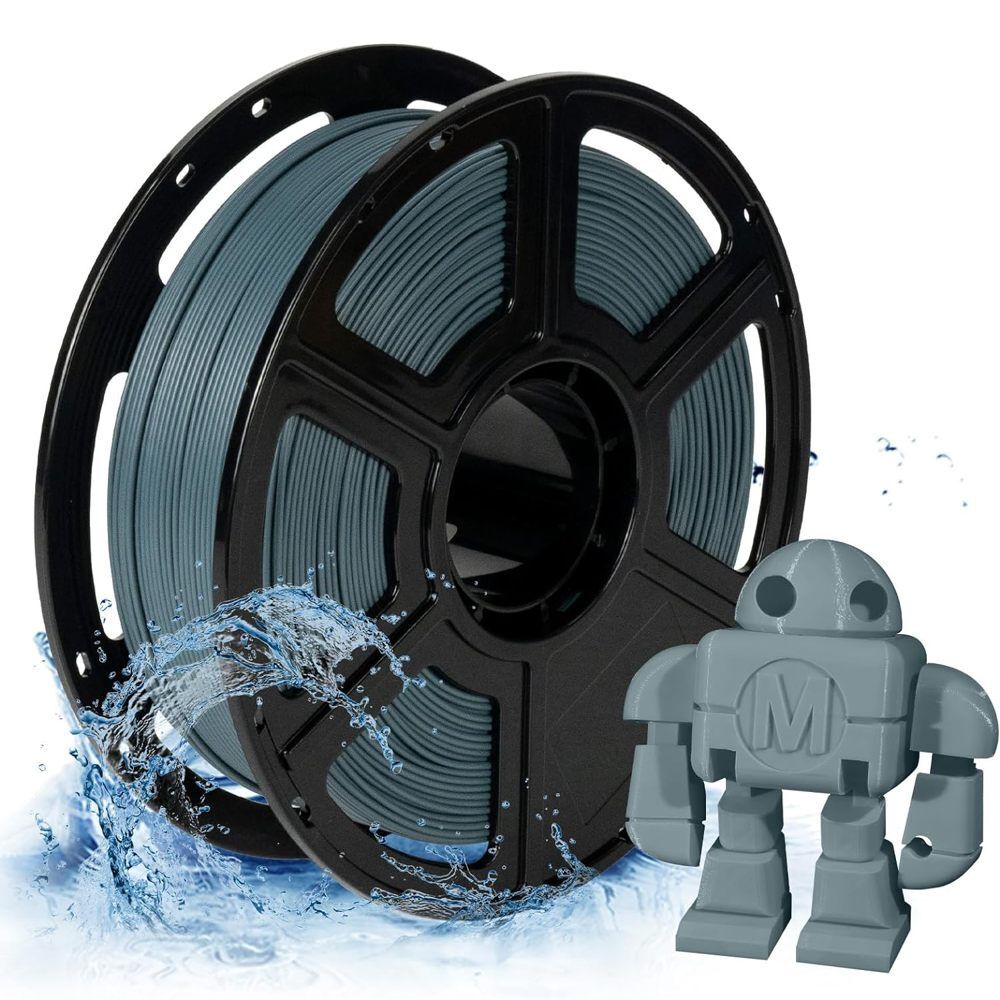
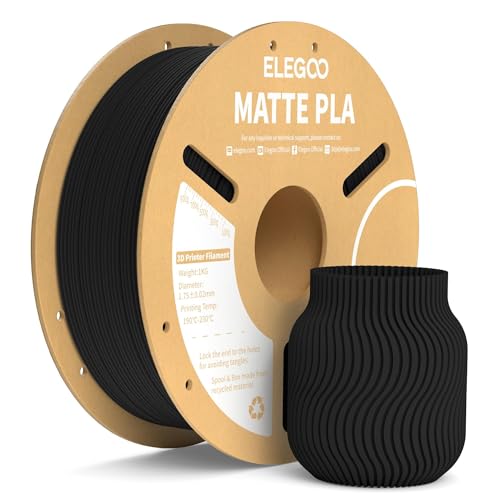
1. FDM Printers (Fused Deposition Modeling)FDM printers are among the most popular choices, especially for beginners. They work by melting plastic filament and laying it down layer by layer to build up your design. They’re known for being affordable and easy to use, making them great for hobbyists.
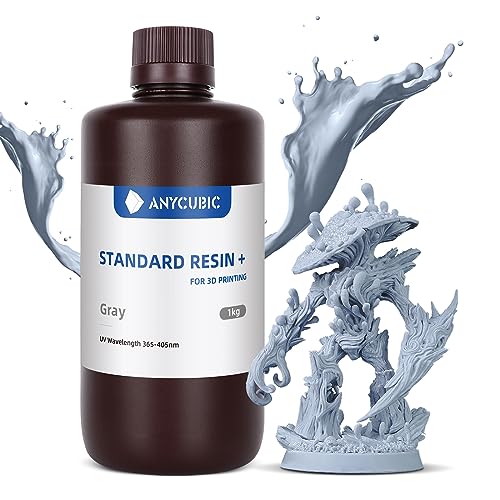
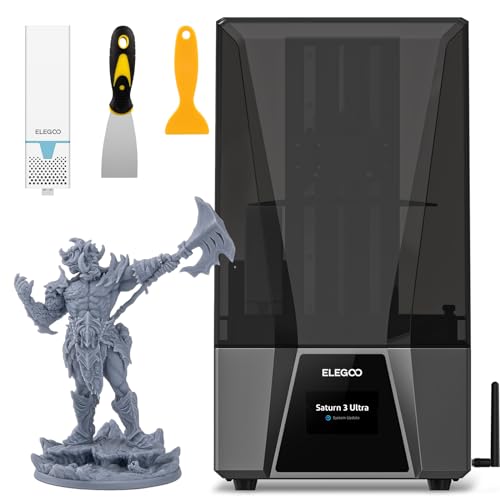
2. SLA Printers (Stereolithography)If you’re looking for precision, SLA printers might be your best bet. They use a laser to cure liquid resin into solid plastic. This means you can create highly detailed models with smooth finishes. They can be a bit pricier and require some extra care, but the results are often stunning.
3. DLP Printers (Digital Light Processing)Similar to SLA, DLP printers also use resin, but instead of a laser, they project an image onto the surface for faster printing. This can make them a bit quicker than SLA printers, while still delivering excellent detail. If time is a concern but you still want quality, consider DLP.
4. SLS Printers (Selective Laser Sintering)SLS printers take things up a notch by using powdered material, which is fused together using a laser. This type is often used in industrial settings and can handle a wide range of materials, including nylon. It's perfect for functional parts that need to withstand stress.
Key Features to Consider
When diving into the world of 3D printers, there are several key features to keep in mind that can really make a difference in your printing experience. Here’s a quick rundown of what to consider:
Keep these features in mind while exploring the best types of 3D printers, and you’ll be well on your way to finding the right one for your projects!
Pros and Cons of Each Type
Resin Printers
SLA Printers
SLS Printers
Choosing the Right 3D Printer for You
Choosing the right 3D printer can feel overwhelming, especially with so many options out there. But don't worry, I'm here to help you find what suits your needs best! Here are some key points to consider before making your decision.
1. Understand Your Needs: Think about what you want to print. Are you interested in small prototypes, large models, or intricate designs? If you're mostly into educational projects or hobby crafts, a smaller printer might be perfect. For bigger projects, look for a printer with a larger build volume.
2. Consider the Printing Technology: There are several kinds of 3D printing technologies, such as FDM (Fused Deposition Modeling) and SLA (Stereolithography). FDM printers are great for beginners and usually more affordable. SLA printers offer higher detail and smooth finishes but can be pricier and a bit technical to handle.
3. Check Material Compatibility: Different printers work with different materials. If you're planning to use various filaments like PLA, ABS, or PETG, make sure your printer is compatible. Some printers even offer multi-material printing, which can be a game-changer for more complex projects.
4. Look at Build Quality and Ease of Use: A sturdy build is key for long-lasting performance. Also, consider how easy it is to set up and operate. Beginner-friendly features, like auto bed leveling and straightforward software, can make a huge difference, especially if you're new to 3D printing.